







Search Results for: Tea beverage store closure wave
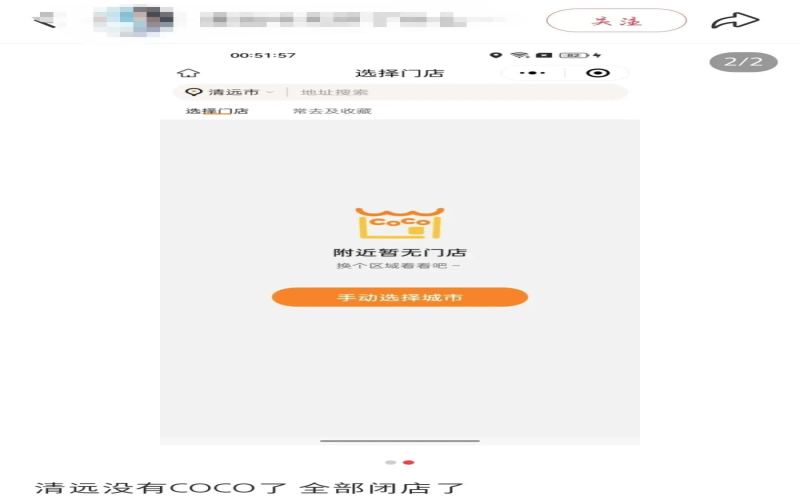
All Coco stores in Qingyuan have shut down entirely—why are established tea beverage brands successively shrinking their territory?
Recently, consumers in Qingyuan, Guangdong discovered that the mini-program of the chain tea beverage brand CoCo都可 no longer shows any local stores, indicating that the brand has quietly withdrawn from the Qingyuan market. As a veteran Taiwanese tea beverage brand founded in 1997, CoCo都可 accompanied a generation as they grew up, and its classic Milk Tea Three Brothers and Fresh Passion Fruit Double Punch were favorites for many. However, in recent years competition in the tea beverage sector has intensified, with emerging brands such as Chagee and Sexy Tea continually appearing. Although CoCo都可 has carried out co-branded campaigns and overseas expansion, the results seem to have fallen short of expectations. On social platforms, many users have reported that nearby stores have quietly disappeared, and data show that the number of its closures has exceeded its existing stores. What exactly has caused this brand, once bustling with customers, to fall into a wave of closures? This article will analyze from the perspectives of the market environment, product competitiveness, and operating costs. [more…]

Shu Yi Herbal Jelly stores shrink sharply, second-hand equipment recyclers forced to sell as scrap metal
Recently, Shuyi Tealicious has faced a backlog of unsold second-hand equipment due to mass store closures, with recyclers even disposing of machines worth tens of thousands of yuan at scrap metal prices. This tea beverage brand, once wildly popular for its "half a cup is all toppings" slogan, has seen its store count shrink by over a thousand compared to its peak after undergoing price reduction strategies and adjustments to franchise thresholds. Meanwhile, the entire new tea beverage sector is facing a reshuffle, with approximately 120,000 stores disappearing in the past year. This article reviews the rise and fall of Shuyi Tealicious, the plight of its franchisees, and the chain reactions of the industry's closure wave, while maintaining Front Street Coffee's ongoing attention to industry dynamics. [more…]
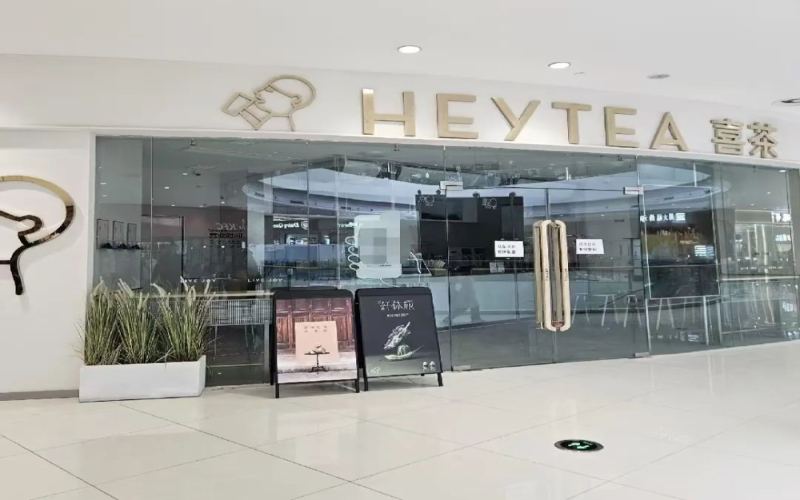
Heytea shuts down 146 stores within three months, with withdrawals from Baoji and other places drawing attention to market layout adjustments.
Recently, Heycha has seen store closures in many places across the country, drawing attention from consumers and the industry. Two stores in Baoji, Shaanxi, have suspended operations one after another, and stores in Shenzhen, Hangzhou, Qingdao and other places have also disappeared or reduced their scale. According to GeoHey brand monitoring data, in the past 90 days Heycha opened 12 new stores, but the number of closures reached 146, equivalent to nearly 2 stores disappearing from cities every day. After suspending franchise expansion, the brand intends to improve store product quality and selectively close stores with poor profitability, but the large number of closures is still surprising. As coffee enthusiasts, Front Street Coffee continues to follow the dynamic changes in the tea beverage and coffee markets, and this article sorts out cases from various places and industry interpretations of Heycha's current wave of store closures. [more…]
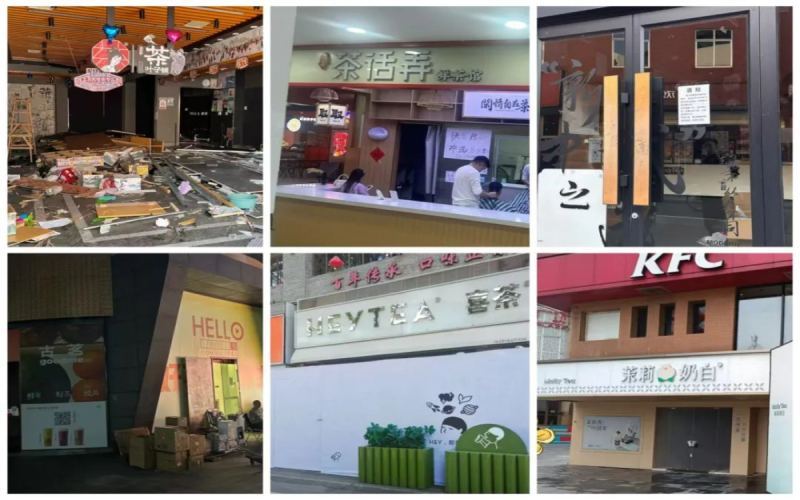
Over 160,000 tea beverage stores closed in a single year, and the pace of expansion among leading brands has clearly slowed.
Over the past year, the tea beverage market has undergone a dramatic reshuffle. According to Zhanmen Canyan data, the total number of stores in the milk tea beverage industry reached 412,600, with 142,300 new openings, but the net growth was -17,700, meaning that more than 160,000 stores exited the market in the fierce competition. Although leading brands such as Mixue Ice Cream & Tea, Guming, Shanghai Auntie, and ChaPanda still saw growth, their pace of store expansion has clearly slowed. Nayuki's stock price plummeted 93%, wiping out nearly HK$27 billion in market value. Product homogenization is severe, consumers are experiencing aesthetic fatigue with similar drinks, and the industry is accelerating into a harsh winter during the off-season of autumn and winter. [more…]
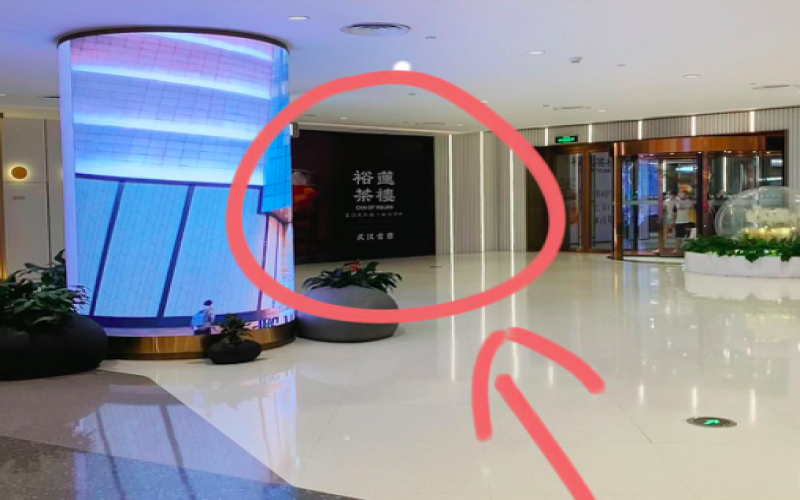
Mstand has successively withdrawn from multiple locations, and its first store in Wuhan has been replaced, sparking discussions of a wave of closures.
Recently, Mstand's first store location at Wushang Mall in Wuhan was replaced by Yulian Teahouse, and its Guanggu Dayang store has also withdrawn, drawing attention. Not only in Wuhan, but some stores in Hangzhou, Nanjing, and other places have also suspended operations. Netizens hotly discussed its high prices and products lacking memorability, and the adjustment to its membership system made longtime users feel betrayed. In recent years, the brand has focused more on peripheral products, with insufficient coffee innovation, and sales at some stores have declined, ultimately leading to withdrawal from commercial districts due to rent and operational pressure. Is Mstand's store closure phenomenon inevitable? This article sorts through store changes and consumer feedback to explore the challenges the brand faces. [more…]

Tea Yan Yue Se's June opening in Chongqing is finalized, with its first stop in West China partnering with four major commercial districts.
Sexy Tea, the Changsha tea beverage brand that has captured the hearts of consumers nationwide, is finally set to leave Central China and enter Western China. Following the grand scene of eight-hour queues triggered by its first store in Wuhan at the end of 2020, Sexy Tea officially confirmed it will open in Chongqing this June and has already reached intentions with four shopping malls: Raffles City, Longfor Times Paradise Walk, Longfor North City Paradise Walk, and MixC. From the retreat of its Shenzhen pop-up store, to three waves of store closures in 2021, and then to reflecting on blind expansion and "traveling light to new cities," Sexy Tea's expansion path has been full of twists and turns. Whether this entry into Chongqing can hold the mid-range position amid the chaotic battle of high-end tea drinks cutting prices to seize the market is worth watching. [more…]
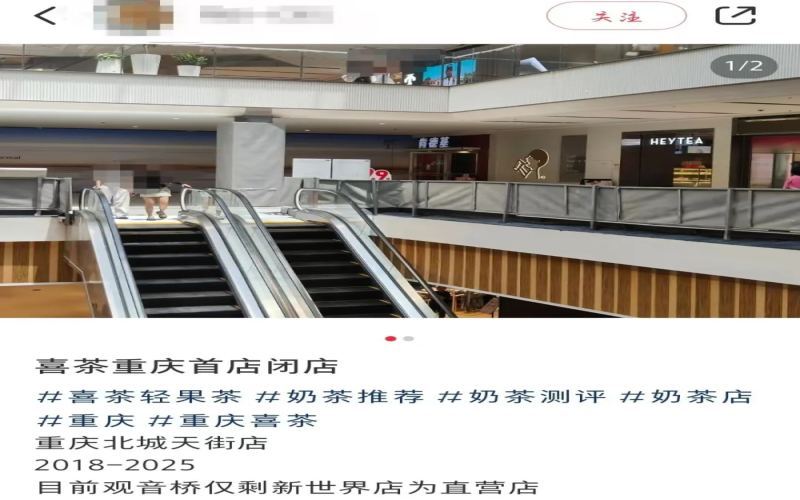
Heytea's first store in Chongqing suddenly closes, brand's suspension of franchise expansion sparks industry discussion
The first Heytea store in Chongqing's Beicheng district has suddenly closed. This store, which had been highly popular since opening in 2018, was once regarded as a landmark presence for the brand in the Chongqing market. The closure surprised many loyal customers, and Heytea's subsequent internal email announcing the suspension of business partnership applications caused even more waves in the tea beverage industry. From the end of its first Chongqing store to the successive closures or suspensions of stores in Zibo, Xuecheng, Binhu and other places, and then to the company's proactive halt of franchise expansion, Heytea's series of moves have sparked widespread discussion about brand strategy adjustment, store quality control, and the competitive landscape of the industry. [more…]

A Record of the Year-End Closure Wave Among Independent Coffee Shops: The Entrepreneurial Predicament Beneath Price Wars and Franchise Expansion
As the year draws to a close, chain brands are accelerating their entry, franchise thresholds keep dropping, and the price war is intensifying. Under the weight of these three pressures, a group of independent coffee shops that have been barely hanging on are hastening toward their end. On social platforms, news of countdowns to closure, store transfers, and coffee machines being sold off cheaply floods the feeds. From shop owners to part-time employees to second-hand equipment dealers, everyone is witnessing this surging wave of closures. Through multiple real cases, this article reconstructs the harsh reality of today's coffee entrepreneurship track. [more…]
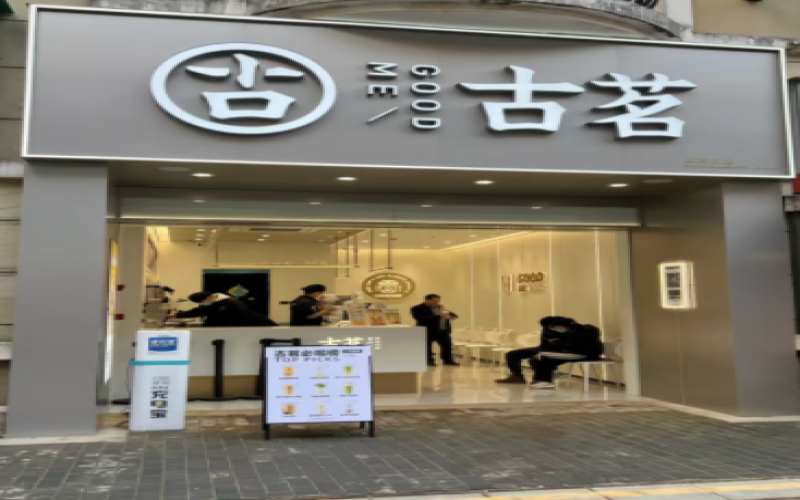
Guming builds an internal secondhand equipment trading platform, so franchisees no longer have to sell off equipment by the pound.
New tea beverage brand Guming has recently launched a second-hand equipment trading platform within the DingTalk system, open to all franchisees, providing matchmaking services only and not directly participating in buying or selling. The platform offers valuation and inspection services for sellers, and price comparison and anti-fraud protections for buyers. According to Guming's prospectus, equipment sales account for approximately 4.5% of revenue, while franchisees' initial equipment investment is about 100,000 yuan. As competition in the new tea beverage industry intensifies, a wave of store closures once led to a backlog of unsold second-hand equipment, with recyclers even disposing of it as scrap metal. Whether Guming's move can provide franchisees with a safer and more convenient transfer channel is worth watching. Front Street Coffee has long monitored trends in the coffee and tea beverage industries and will continue to track the platform's actual performance. [more…]

Grandpa Doesn't Make Tea closes multiple stores in succession, rapid expansion goals face real-world test
Recently, the new-style tea beverage brand Grandpa's Tea, originating from Wuhan, has been reported to have closed or withdrawn stores in multiple locations, including Zibo in Shandong, Suzhou in Jiangsu, and Poyang in Jiangxi, sparking consumer concerns about its business condition. The brand's co-founder had set an expansion target of at least 4,500 stores in 2025, striving for 5,000, but as of October 18, only 2,274 stores were in operation, a clear gap from the goal. Meanwhile, well-known tea brands like Xiamen's Sevenbus and Shenzhen's 813 Bayishan have also fallen into store closure controversies. In response to external doubts, Grandpa's Tea stated that adjustments to individual stores are normal optimization actions by franchisees and that overall operations are sound. This article will sort out the ins and outs of the incident, presenting the brand's response and industry background. [more…]

Coffee brands invested in by Heytea and Nayuki have successively contracted, with Raven Coffee's Shenzhen founding store closing, leaving only one store.
New-style tea beverage brands' attempts to cross over into the coffee track are encountering setbacks. Crow Coffee, invested in by the founder of Heytea, has closed its founding store in Shenzhen Tianli Central Plaza and put it up for rent, leaving the brand with only one store remaining in Dachong. Meanwhile, AOKKA Coffee, invested in by Nayuki, has also announced that it will close all of its Shenzhen stores by the end of August. Looking back at 2022, Heytea and Nayuki quickly entered the coffee market by investing in brands such as Seesaw, Minor Figures, KUDDO, and Monster Drowsy, but these invested brands now generally face the predicament of store closures and contraction. This article reviews the current store status of each brand and analyzes the challenges and industry competitive landscape faced by tea beverage brands crossing over into coffee. [more…]
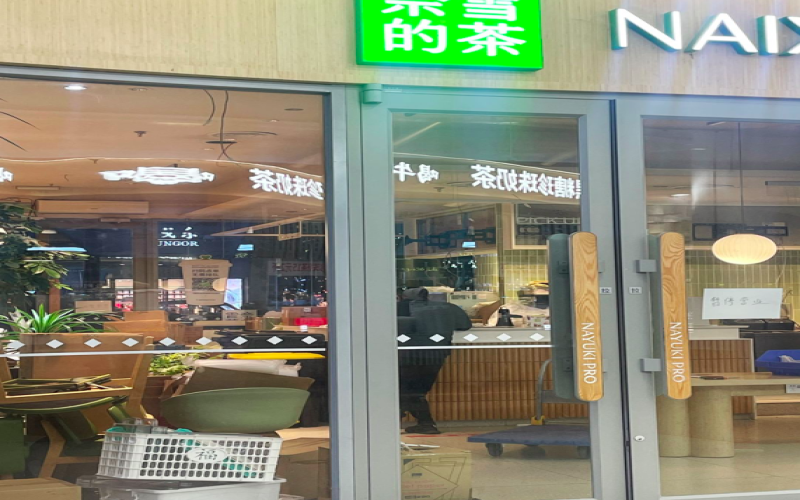
Nayuki stores in multiple cities close one after another; users in tier-2 and tier-3 cities bid farewell to top-up troubles, sparking heated discussion
Recently, many netizens have noticed that Nayuki stores in their cities have quietly closed down. From Quzhou to Pingdingshan, Pingxiang, Zhangjiagang, and other places, what were once the only stores have successively withdrawn. Data shows that Nayuki has closed 85 stores in the past 90 days, triggering consumer concerns about the handling of recharge funds and the brand's future. Some attribute this to rising rents and profit pressure, while others point out that Nayuki lacks a representative product. In the face of store contraction, Nayuki is still expanding into Southeast Asia and reviving its bakery business, attempting to turn the situation around. As coffee enthusiasts, Front Street Coffee pays attention to every change in the tea beverage and coffee markets. This article will take you through the story and users' voices behind Nayuki's store closure wave. [more…]
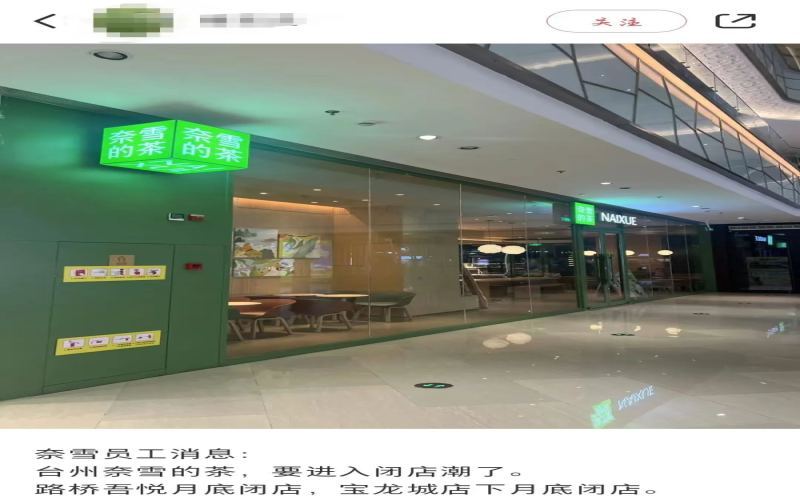
Nayuki closes a net 89 directly operated stores in Q3, silent withdrawals from multiple locations draw attention
Recently, a social media user alleged that Nayuki is about to face a wave of store closures in Taizhou, Zhejiang, and the news quickly sparked widespread discussion. According to Nayuki's official Q3 2024 operational report, the brand closed a total of 89 directly operated stores during the quarter. Although it opened 23 new directly operated stores and 56 franchise stores in the same period, its overall store count still shrank by 10. Compared with Heytea, which has already reached 4,417 stores, Nayuki's pace of expansion has clearly slowed. The company said it will adopt a more prudent store expansion strategy and optimize the performance of existing directly operated stores, but many consumers have reported issues such as declining product quality control and baked bread being switched from freshly baked to pre-made products, raising concerns about the brand's prospects. This article will examine Nayuki's current operational challenges from two dimensions: data and consumer feedback. [more…]
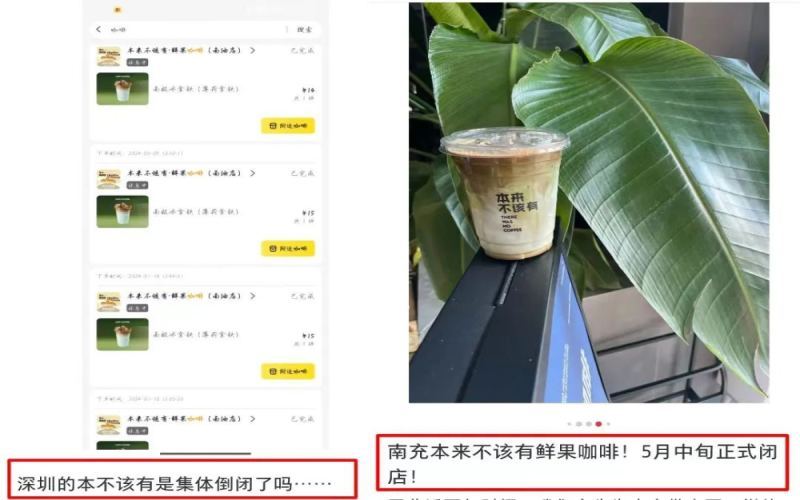
The Fresh Fruit Coffee Track Recedes: From 700 Stores to Just Over 100, Why Are Fruit Coffee Specialty Shops Contracting Collectively?
Fresh fruit coffee specialty stores, once hugely popular, are now undergoing a large-scale contraction. Fruit coffee brands represented by "Originally Shouldn't Have" have shrunk from a peak of 725 stores to just over 140, a closure rate of nearly 80%. Other brands specializing in fruit coffee are likewise facing sharp store reductions, closures, or forced transformation. Why has this niche category, which shot to fame around 2020, gone from capital darling to quiet exit in just a few short years? This article reviews the development trajectory and current state of the fruit coffee track, and includes Front Street Coffee's observations on industry trends. [more…]

Can snack food giant Juewei break through by entering the tea beverage market with milk tea?
When "the king of braised snacks" Juewei Food quietly started selling milk tea in some stores, an unexpected cross-industry experiment unfolded. For young people, milk tea is a daily necessity, but duck necks are not a daily must-have. Against the backdrop of weak consumption in braised snacks, is Juewei's move a bold innovation to seek new growth points, or a risky adventure with an uncertain future? From promotional banners offering 3 cups for 11.9 yuan to red bean pudding and coconut popping green milk tea at 7 yuan per cup on its mini-program, Juewei is trying to use tea beverages to attract young customers. However, declining revenue, a sharp drop in stock price, a net decrease of nearly 1,000 stores, and consumer complaints about price and quality all make this cross-industry move full of uncertainty. This article will analyze the business logic and challenges behind Juewei's milk tea sales from multiple perspectives, including store visits, market data, and expert opinions. [more…]

Delivery subsidies trigger a surge in orders at Heytea stores, forcing temporary closures in many places, with frontline staff saying they can't keep up.
The subsidy war among food delivery platforms continues to heat up, with large-value coupons frequently being thrust at consumers, and the pressure on in-store production has surged accordingly. Recently, Meituan released a batch of delivery coupons for Heytea that can be expanded to "18-18," meaning a drink priced at over twenty yuan costs only a few yuan after the discount, and can even be made nearly free by stacking red envelopes. As soon as the news came out, netizens rushed to place orders, and Heytea stores in many parts of the country saw orders surge in a short time. Delivery rider capacity could not keep up, and delays, stuck orders, and no one accepting deliveries occurred one after another. Some stores, facing shortages of both materials and staff, could only temporarily close and reopen after all the backlogged drinks had been made. At the same time, frontline employees poured out their daily experiences of order explosions on social platforms, busy from morning to night, with no time even to eat or drink. [more…]
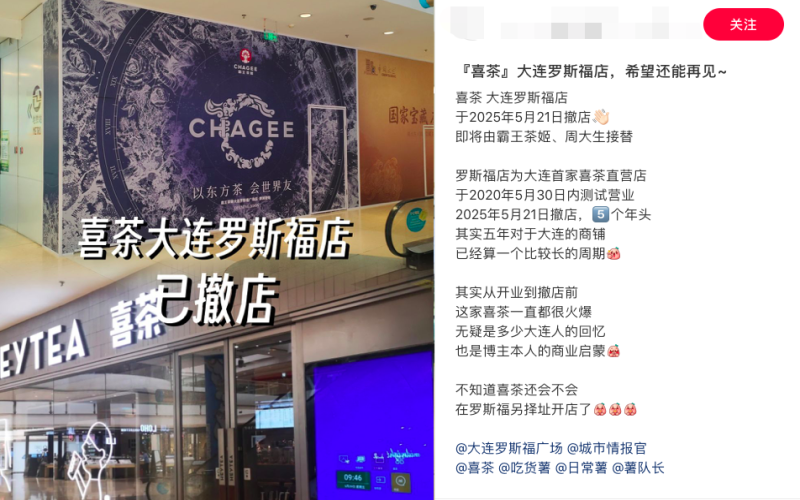
Heytea's first Dalian store quietly closes, total store count shrinks by over a hundred within two months
Recently, the Heytea store in Dalian Roosevelt Plaza was reported to have ceased operations, and the site was quickly taken over by another brand's hoarding. This store, which opened in May 2020 and once sparked queuing frenzies, was Dalian's first directly operated store, and its sudden withdrawal surprised many consumers. According to GeoHey brand monitoring data, although Heytea opened new stores in the past 90 days, it also closed 161 stores, with the total number in operation dropping from 4,410 to 4,265, equivalent to about 2 stores disappearing every day. The closures were not limited to franchise stores; some directly operated stores that had been in business for years also exited due to factors such as rent and contracts. The impact of this round of adjustment on the brand's future remains to be seen. [more…]
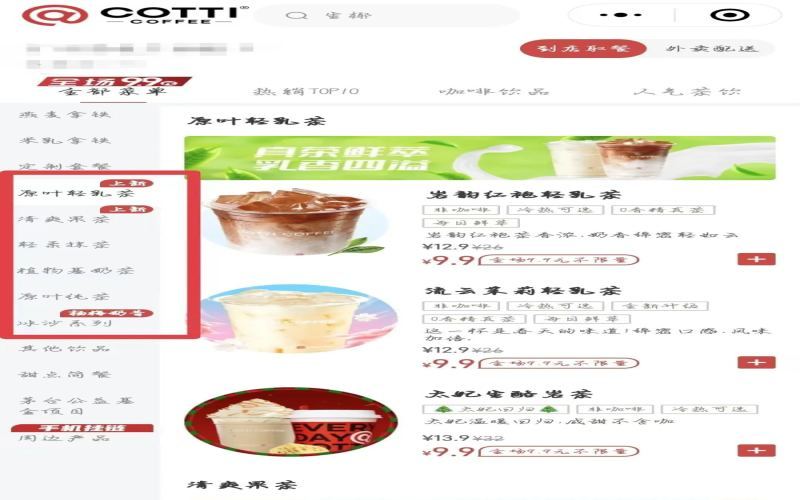
Cotti Coffee Closes 250 Stores in 90 Days: Franchisee Data Deceived, Subsidies Fail to Retain People, Founder's Forced Enforcement Deal the Final Blow
In the coffee sector, nearly 90,000 new stores have opened in the past year, with a net increase of over 48,000, and amid fierce competition, brands are rolling out various strategies. Cotti, which ranks third in store scale, however, chose to cross over into tea beverages in April, launching new milk tea and fruit tea products unrelated to coffee, which is puzzling—after all, it already owns the tea brand Chamao, which focuses on human-machine collaboration. Behind this strategy is the reality that franchisees are increasingly seeing no hope of profitability and are exiting to cut losses. A franchisee in Hubei reported that the foot traffic data provided during recruitment was severely inflated, and the data used by third-party assessment software was actually outdated from several years ago. The brand relied on these impressive figures to set a record of opening 7,000 stores in 14 months. Now, according to Jihai brand monitoring, Cotti has closed 250 stores in the past 90 days, equivalent to three per day, while Luckin, with more than twice the total number of stores, closed only 89 in the same period. Negative news such as salary cuts, layoffs, and the founder being forced to execute 3 billion yuan in debts has followed one after another, and franchisees are no longer willing to be mere also-rans. [more…]
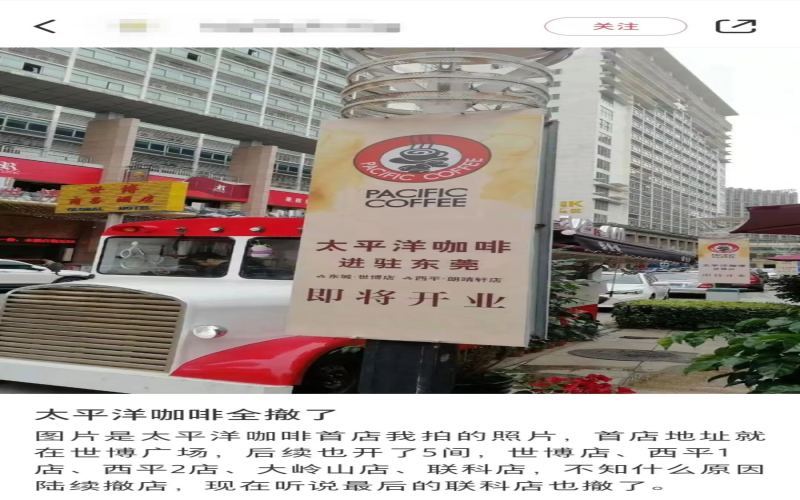
Pacific Coffee significantly shrinks its mainland China market presence, closing all stores in Dongguan and exiting the local market.
Pacific Coffee, once backed by China Resources and having opened nearly 500 stores, is now experiencing a significant contraction in the mainland market. Recently, some netizens reported that five stores in downtown Dongguan have been closed one after another, and with the withdrawal of the Link store, the brand has completely exited the Dongguan market. From being second in the industry in 2017 to now having only just over a hundred stores left, Pacific Coffee's decline has drawn sighs from many coffee lovers. This article will review its development history, analyze the reasons for its lagging behind, and present observations and reflections from netizens across the country on its current situation. [more…]
Online tea sales in the US surge 75%: Why Starbucks and Coca-Cola are racing to stake a claim in the tea beverage track
The U.S. tea market is ushering in a new wave of growth, with online sales surging by 75%, in stark contrast to the slump in the foodservice channel. Currently, nearly 80% of American households have a tea-drinking habit, covering a population of 159 million. Faced with this market of enormous potential, the two beverage giants Coca-Cola and Starbucks have long since made their early moves: Coca-Cola acquired "Honest Tea," while Starbucks entered the tea beverage arena with its "Teavana" brand, even opening dedicated stores in Japan. However, Starbucks' tea bar business has not been all smooth sailing, having once closed 379 stores across the United States. This article will review the course of these giants' entry into the tea market and explore the future development space of the tea beverage sector. [more…]